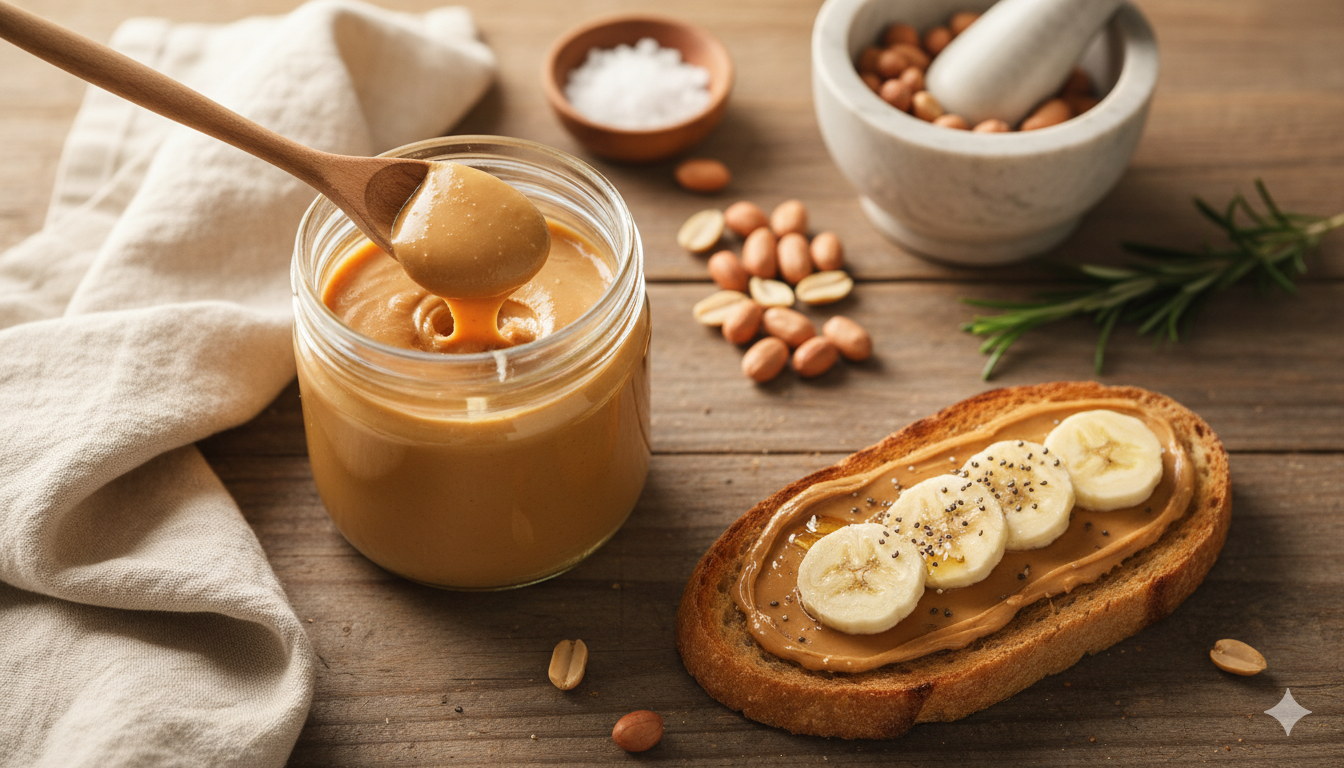
Peanut butter is one of the most popular spreads worldwide, loved for its creamy texture, rich flavor, and versatility in snacks and meals. But as its popularity grows, many people wonder: is peanut butter good for you? While it has many health benefits, it also comes with considerations that you should keep in mind. This article will explore the nutritional profile of peanut butter, its advantages, potential drawbacks, and tips for including it in your diet.
Nutritional Value of Peanut Butter
Peanut butter is derived from roasted peanuts, often ground into a smooth or crunchy paste. It is rich in several essential nutrients, including:
- Protein: Peanut butter is a good source of plant-based protein, which is crucial for muscle repair and growth.
- Healthy fats: It contains monounsaturated and polyunsaturated fats that support heart health.
- Vitamins and minerals: Peanut butter provides vitamin E, magnesium, potassium, and B vitamins, which are important for overall body function.
- Fiber: It contains dietary fiber, which supports digestive health.
A two-tablespoon serving of natural peanut butter typically contains around 190-200 calories, 16 grams of fat, 7-8 grams of protein, and 2-3 grams of fiber. These nutrients make it an energy-dense food that can help fuel your body, especially if consumed in moderation.
Health Benefits of Peanut Butter
Heart Health
Peanut butter contains heart-healthy fats that can improve your lipid profile. Monounsaturated fats help reduce LDL (bad cholesterol) while increasing HDL (good cholesterol). Regular, moderate consumption of peanut butter may reduce the risk of cardiovascular diseases and improve overall heart function.
Weight Management
Contrary to the belief that high-calorie foods cause weight gain, peanut butter may actually help with weight management. Its combination of protein, fiber, and healthy fats promotes satiety, helping you feel full longer. Including peanut butter in your meals in controlled portions may prevent overeating and unhealthy snacking.
Blood Sugar Control
Peanut butter has a low glycemic index, which means it does not cause rapid spikes in blood sugar levels. Its healthy fats and protein content slow the absorption of sugar into the bloodstream, making it a good option for people with diabetes or those trying to manage blood sugar levels.
Brain Health
Peanut butter is rich in vitamin E, niacin, and healthy fats, all of which play a role in cognitive function. Vitamin E acts as an antioxidant, protecting brain cells from damage, while niacin supports healthy nervous system function.
Source of Plant-Based Protein
For vegetarians and vegans, peanut butter is a convenient and tasty source of plant-based protein. Protein is essential for repairing tissues, building muscles, and supporting the immune system.
Things to Watch Out For
While peanut butter is nutritious, there are some considerations to keep in mind:
- Added sugars and hydrogenated oils: Many commercial peanut butter brands add sugar, salt, and hydrogenated oils, which can reduce its health benefits. Always read the label and choose natural or minimally processed peanut butter.
- Calorie density: Peanut butter is calorie-dense, so portion control is important. Overeating can lead to weight gain despite its health benefits.
- Allergies: Peanut allergies are common and can cause severe reactions. People with peanut allergies must avoid peanut butter entirely.
- Aflatoxin contamination: Peanuts can sometimes be contaminated with aflatoxins, which are harmful compounds produced by certain fungi. Reputable brands usually test and limit aflatoxin levels, but it’s something to be aware of.
How to Include Peanut Butter in Your Diet
Incorporating peanut butter into your diet can be simple and delicious. Here are some ways to enjoy it:
- Spread on whole-grain toast or crackers
- Add to smoothies for extra protein and creaminess
- Use as a dip for fruits and vegetables
- Incorporate into oatmeal or yogurt for breakfast
- Include in sauces or dressings for savory dishes
Moderation is key. A typical serving size of two tablespoons provides nutritional benefits without excessive calories. Pairing peanut butter with fiber-rich foods like fruits, vegetables, and whole grains can also enhance its health benefits.
List of Peanut Butter Benefits
Heart health
Weight management
Blood sugar control
Brain health
Source of plant-based protein
Conclusion
So, is peanut butter good for you? The answer is yes, when consumed in moderation and as part of a balanced diet. Peanut butter offers numerous health benefits, including heart health support, blood sugar control, and satiety for weight management. Choosing natural, minimally processed peanut butter is crucial to maximize its nutritional value. However, it’s important to be mindful of portion sizes, added ingredients, and potential allergies. By including peanut butter wisely in your meals, you can enjoy its flavor while reaping its health benefits.
FAQs
1. Is peanut butter good for weight loss?
Yes, peanut butter can support weight loss because its protein, fiber, and healthy fats promote fullness and reduce overeating. Portion control is important to avoid excessive calorie intake.
2. Can peanut butter raise cholesterol?
Natural peanut butter does not raise cholesterol. In fact, its monounsaturated fats can help reduce LDL (bad cholesterol) and increase HDL (good cholesterol). Avoid brands with hydrogenated oils and trans fats.
3. How much peanut butter should I eat daily?
A healthy serving size is typically 2 tablespoons per day. This provides protein and healthy fats without excessive calories. You can adjust based on your dietary needs.
4. Is peanut butter safe for people with diabetes?
Yes, peanut butter has a low glycemic index and can help control blood sugar levels. Pairing it with whole grains or fruits makes it even more blood sugar-friendly.
5. What is the healthiest peanut butter to buy?
The healthiest peanut butter is natural or minimally processed, with no added sugar, salt, or hydrogenated oils. Look for labels that list only peanuts (and sometimes a pinch of salt).